Author: topnotch

  • Understanding roast profiles for Indonesian beans

    Understanding roast profiles for Indonesian beans

    Understanding roast profiles for Indonesian beans

    Understanding roast profiles for Indonesian beans

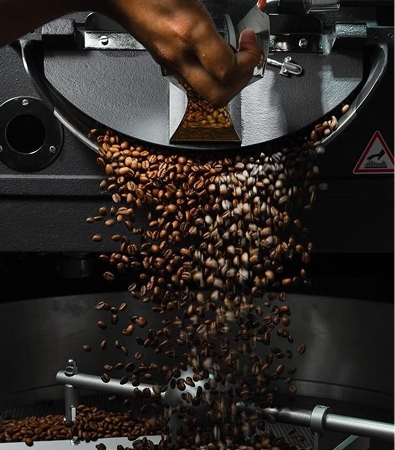
    Roasting is one of the most important stages in transforming green coffee beans into a flavorful cup. While the quality of the beans begins at origin, the roast profile determines how their natural characteristics are expressed. Indonesian coffee, known for its diverse origins and distinctive flavor profiles, responds exceptionally well to carefully controlled roasting techniques.

    Each roast level highlights different aspects of the bean. A light roast preserves the coffee’s natural acidity, floral aromas, and fruity notes, making it ideal for specialty coffee enthusiasts seeking origin clarity. Medium roast offers a balanced cup with enhanced sweetness, caramel notes, and a smooth body, making it one of the most versatile profiles for both filter and espresso brewing. Dark roast, on the other hand, develops deeper chocolate, spice, and smoky characteristics while producing a fuller body and lower perceived acidity.

    The ideal roast profile also depends on the coffee’s origin. Beans from Sumatra often perform exceptionally well at medium to dark roasts, where their earthy, herbal, and chocolate notes become more pronounced. Java coffees typically develop a balanced sweetness and clean finish under medium roasting, while beans from Flores or Bali can showcase vibrant fruit and floral characteristics when roasted lighter.

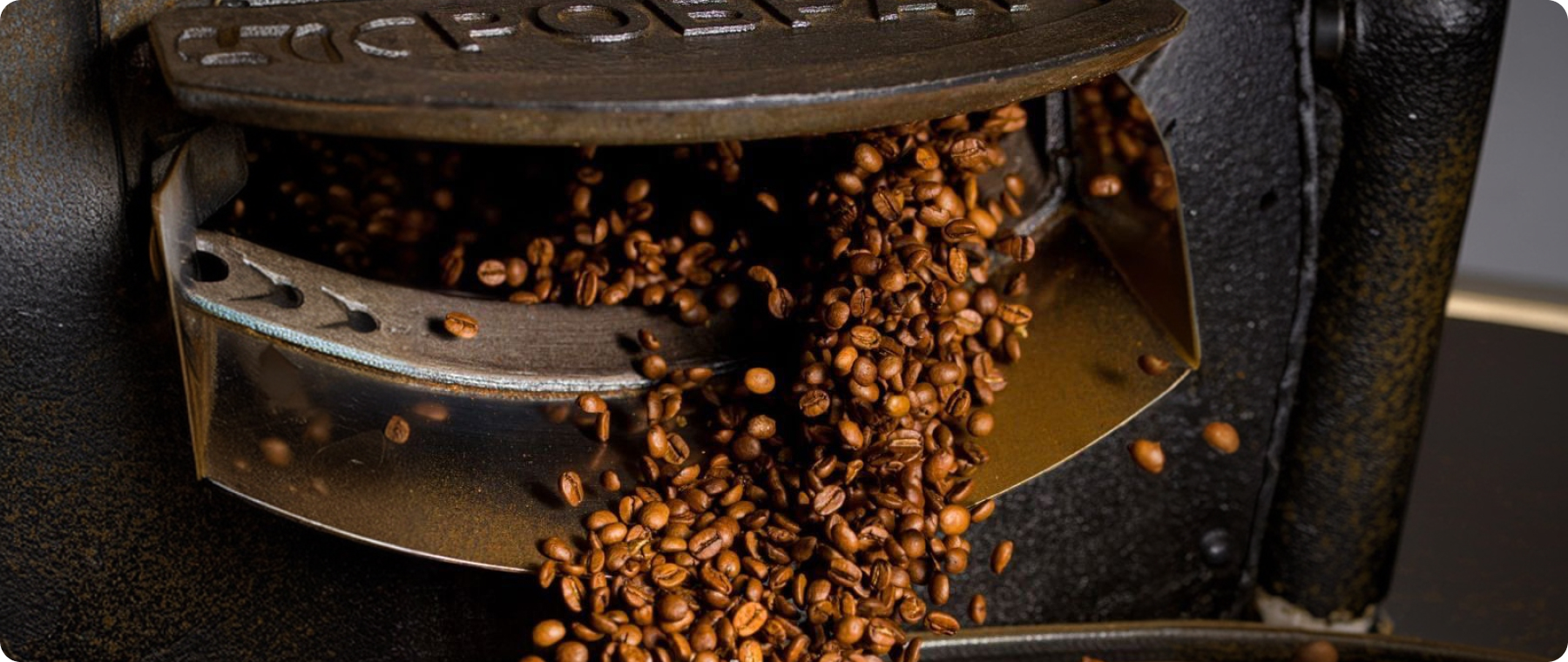
    Consistency is essential throughout the roasting process. Factors such as charge temperature, airflow, development time, and cooling all influence the final cup quality. Even small adjustments can significantly affect aroma, sweetness, body, and aftertaste. Professional roasters carefully monitor every batch to ensure repeatable results and maintain the integrity of each coffee’s unique origin.

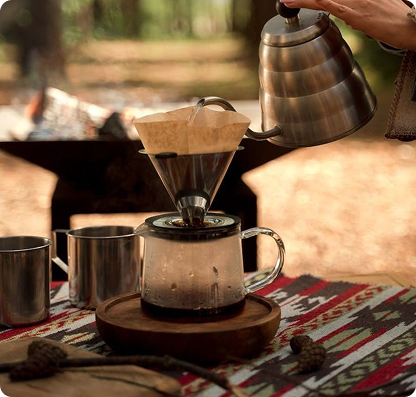
    Choosing the right roast profile ultimately depends on the intended brewing method and customer preference. Espresso blends often benefit from medium to medium-dark roasts that deliver body and sweetness, while pour-over and filter coffees frequently showcase their best qualities with lighter roast profiles that emphasize complexity and clarity.

    By understanding the relationship between origin and roast profile, coffee professionals can unlock the full potential of Indonesian beans. With their exceptional diversity, rich terroir, and consistent quality, Indonesian coffees provide an outstanding foundation for creating distinctive flavor experiences that appeal to specialty cafés, commercial roasters, and coffee lovers around the world.

    694

    Shares

    694

    SHARE

    • All Posts
    • Articles
  • The unique terroir of Indonesian coffee regions

    The unique terroir of Indonesian coffee regions

    The unique terroir of Indonesian coffee regions

    The unique terroir of Indonesian coffee regions

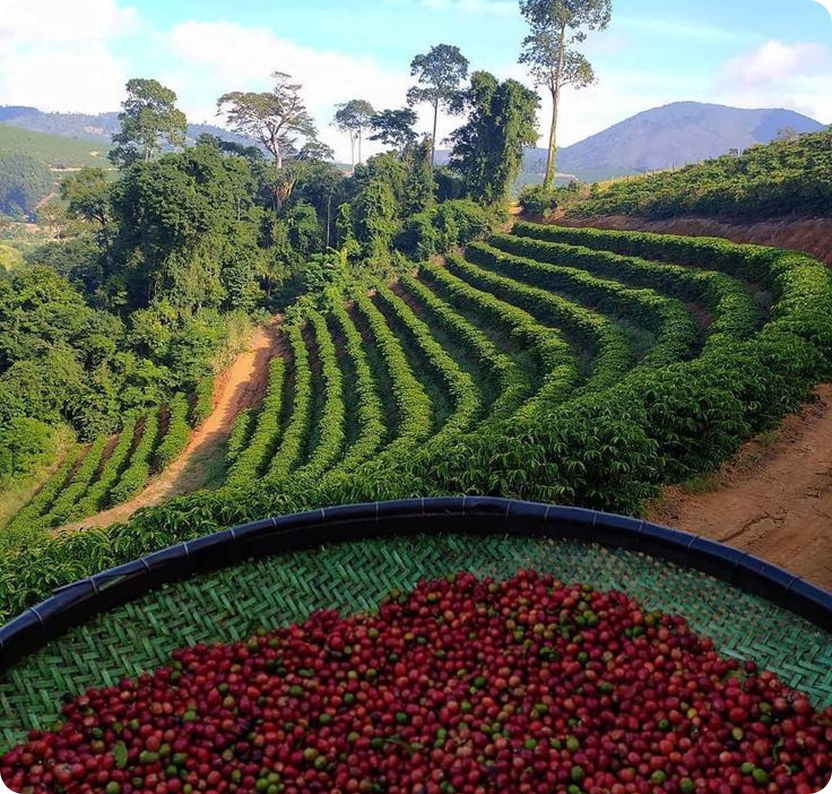
    Indonesia’s coffee is shaped by one of the world’s most diverse growing environments. From volcanic mountains and tropical forests to highland plateaus, every coffee-producing region offers a unique combination of altitude, climate, soil composition, and rainfall. These natural elements—known collectively as terroir—give Indonesian coffee its remarkable depth, complexity, and regional identity.

    Each origin tells a different story. Sumatra is known for its full body, earthy character, and spicy finish, while Java often delivers a clean cup with balanced sweetness and subtle chocolate notes. Sulawesi produces coffees with rich body and vibrant acidity, whereas Flores and Bali are celebrated for their floral aromas and fruity complexity. This diversity allows roasters and coffee businesses to source beans that match a wide range of flavor profiles and market preferences.

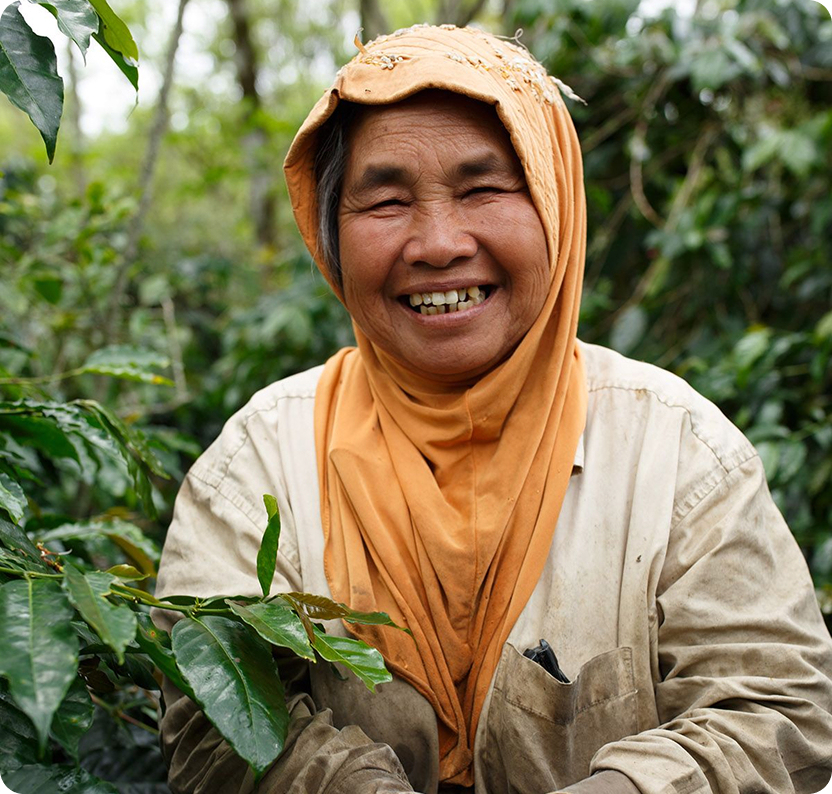
    Beyond geography, local farming traditions and processing methods play an equally important role. Many Indonesian farmers continue to use techniques passed down through generations, combining traditional knowledge with modern quality standards. Whether processed through washed, natural, honey, or wet-hulled methods, each approach contributes to the coffee’s final character while preserving the uniqueness of its origin.

    The country’s fertile volcanic soil provides essential minerals that support healthy coffee trees and consistent bean development. Combined with careful harvesting and meticulous post-harvest handling, Indonesian green beans are recognized for their quality, consistency, and exceptional cup potential. Every stage—from cultivation to drying and sorting—is carried out with attention to preserving the bean’s natural attributes.

    Today, Indonesian coffee continues to earn recognition from specialty roasters and international buyers around the world. Its diverse terroir offers endless opportunities to discover distinctive flavors while supporting farming communities that have cultivated coffee for generations. Every cup represents not only the richness of Indonesia’s landscape but also the dedication, craftsmanship, and heritage behind every harvest.

    694

    Shares

    694

    SHARE

    • All Posts
    • Articles
  • Building sustainable partnerships with Indonesian farmers

    Building sustainable partnerships with Indonesian farmers

    Building sustainable partnerships with Indonesian farmers

    Building sustainable partnerships with Indonesian farmers

    Indonesia is home to one of the most diverse coffee landscapes in the world. Stretching across thousands of islands, each coffee-growing region possesses a unique combination of altitude, climate, volcanic soil, and traditional farming methods. These natural characteristics create distinctive flavor profiles that have made Indonesian coffee highly regarded by roasters and specialty buyers worldwide.

    From the earthy richness of Sumatra to the bright acidity of Java and the fruity complexity of Flores, every origin tells a different story. Coffee grown in these regions reflects not only the environment but also generations of local expertise in cultivating and processing high-quality beans. This diversity allows buyers to source coffees that suit a wide range of roasting styles and consumer preferences.

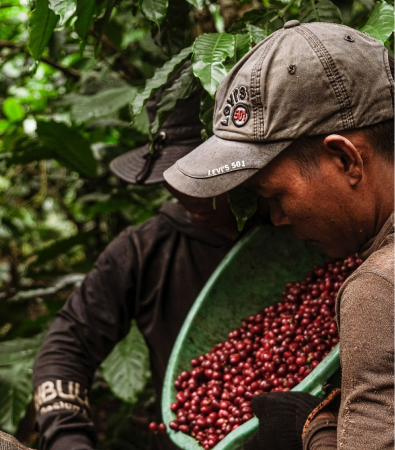
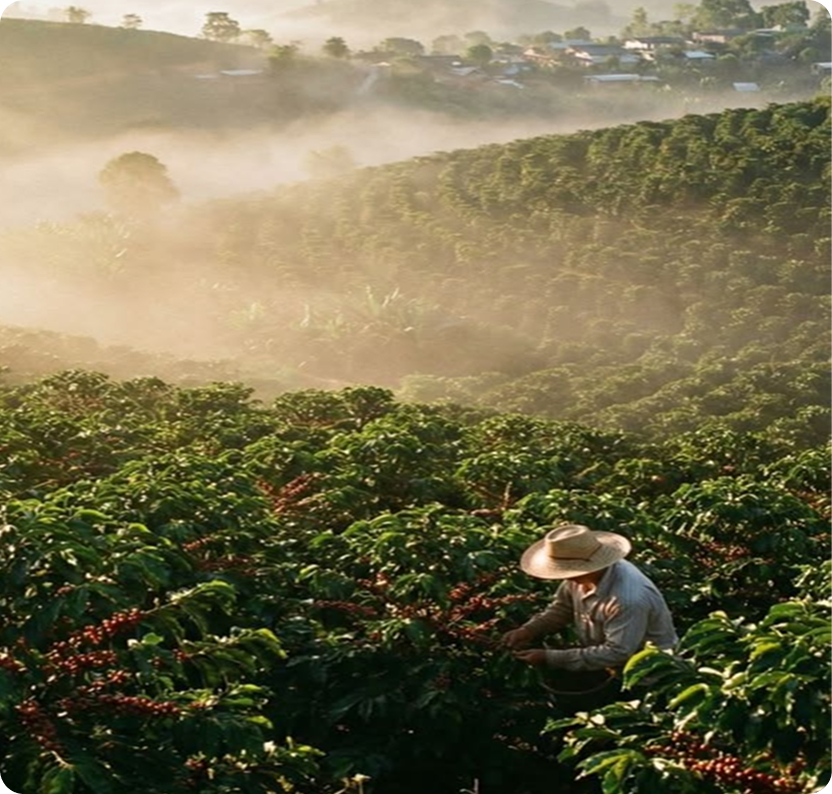
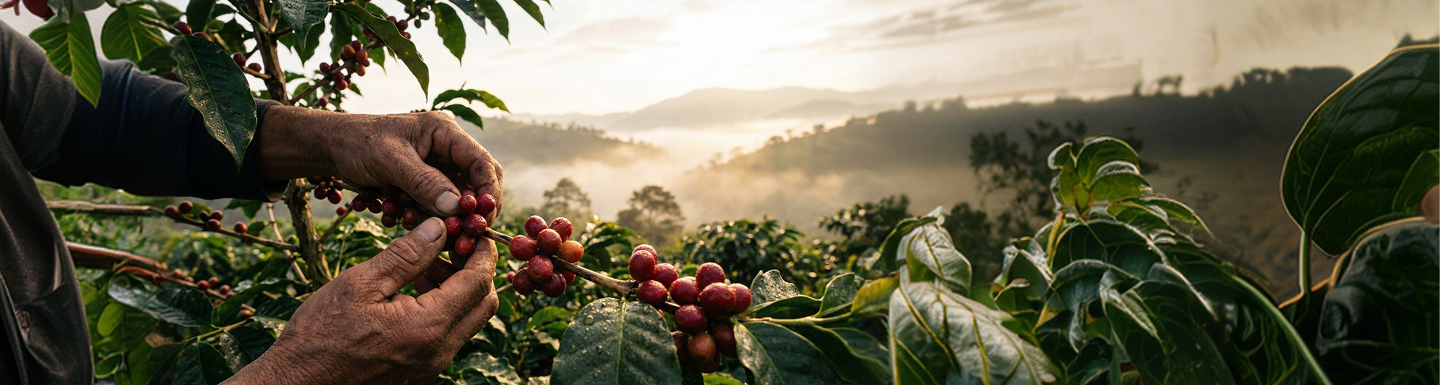
    Every harvest begins with carefully selected cherries picked at peak ripeness. Farmers rely on years of experience to determine the ideal harvesting time, ensuring only mature cherries continue to processing. Whether processed using natural, washed, honey, or wet-hulled methods, every step influences the final cup profile and highlights the unique character of each region.

    Indonesia’s volcanic soil is another defining factor behind its exceptional coffee quality. Rich in minerals and organic nutrients, these fertile lands provide an ideal environment for coffee trees to thrive. Combined with tropical rainfall and favorable temperatures, the result is beans with balanced sweetness, complexity, and remarkable consistency.

    Sustainability also plays an increasingly important role in Indonesia’s coffee industry. Many farmers have adopted environmentally responsible cultivation practices while preserving traditional methods that have been passed down through generations. This commitment helps maintain biodiversity, supports local communities, and ensures long-term coffee production without compromising quality.

    For international buyers, understanding the terroir of Indonesian coffee is essential when selecting origins that match specific market demands. Each region offers distinctive sensory characteristics—from chocolate and spice to floral, citrus, or tropical fruit notes—making Indonesian coffee an exceptional choice for specialty cafés, private labels, and commercial roasting operations.

    As global demand for premium coffee continues to grow, Indonesia remains one of the world’s most important coffee-producing countries. Its rich diversity of origins, skilled producers, and commitment to quality continue to position Indonesian coffee as a trusted source for exceptional green beans and memorable coffee experiences.
    694

    Shares

    694

    SHARE

    • All Posts
    • Articles